My first project, The Everyday Nation-State: Community and Ethnicity in Nineteenth-Century Nicaragua analyzes how popular communities understood, negotiated and transformed the meaning of national identity in the struggles of everyday politics.
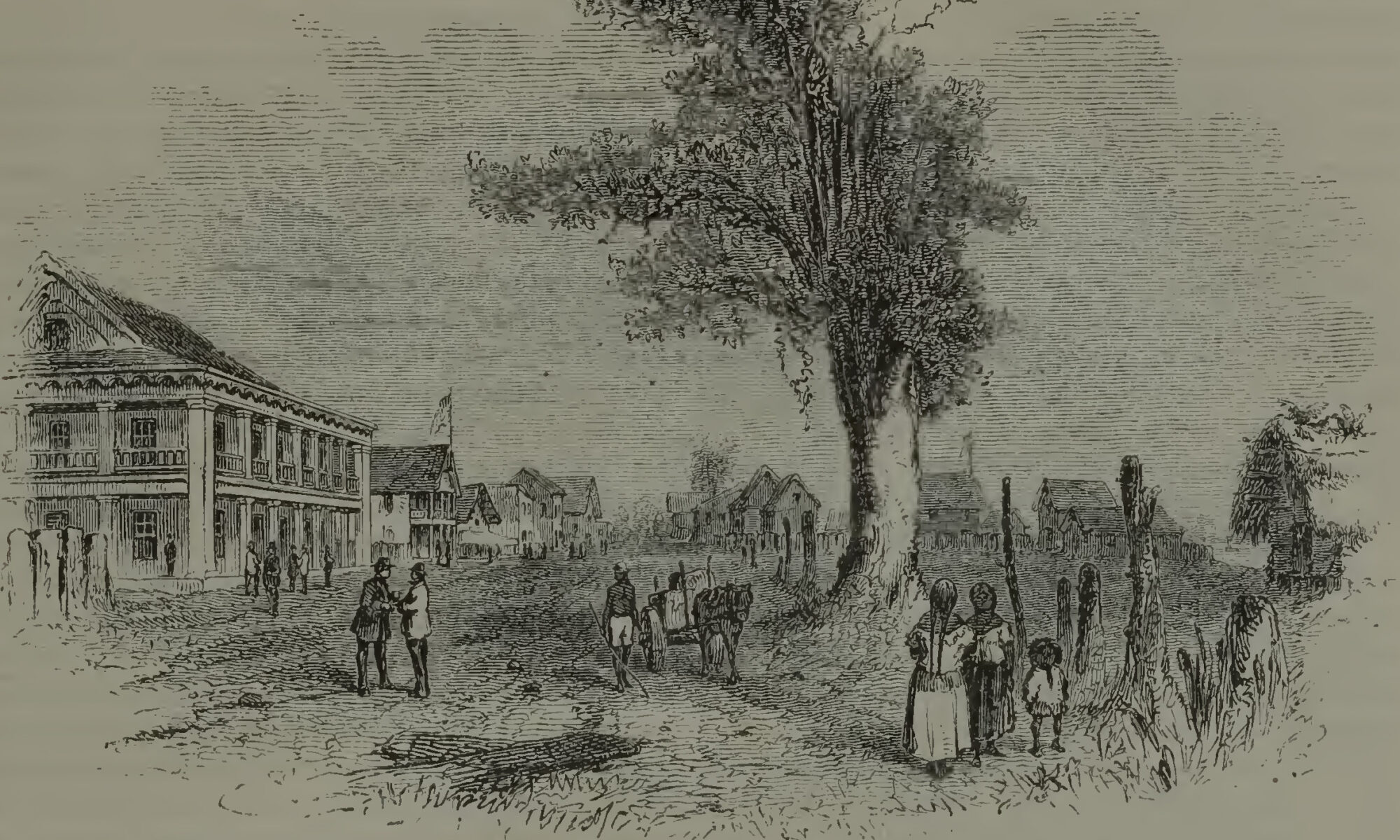
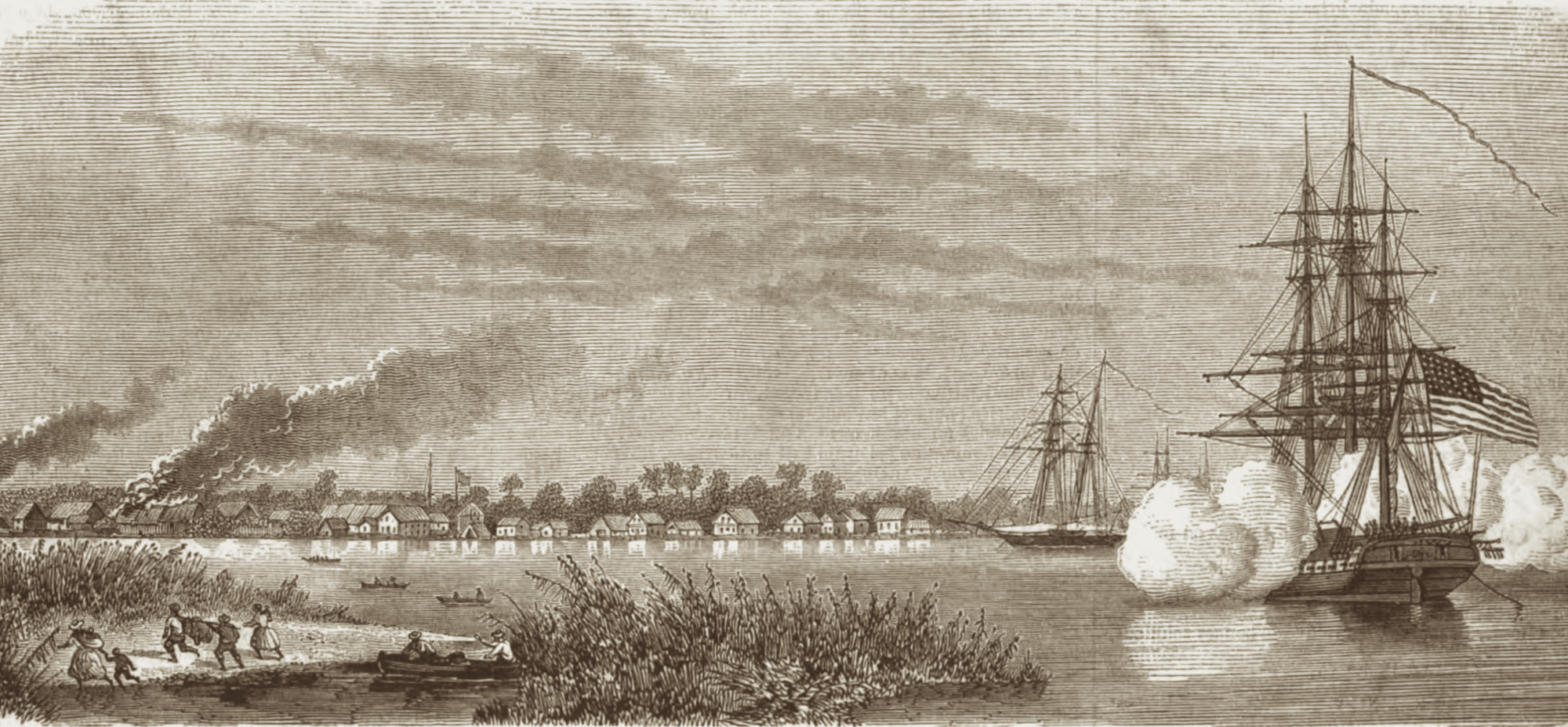
I am currently writing On Equal Grounds: Race and Empire in the Age of Manifest Destiny, which explores the Caribbean port town of San Juan del Norte (rechristened Greytown after British occupation in 1848), which transformed during the California Gold Rush from a sleepy trading post into a teeming crossroads of cultures and politics. To the great surprise of so many travelers, it was also a place where much of the commerce and governance was in the hands of people of African descent from the Caribbean, the U.S., and Nicaragua. At the heart of the study is the clash between the dream of Greytown’s inhabitants to fashion the town as an island of political freedom, racial equality, and entrepreneurial independence and the US projection of imperialism, white supremacy, and commercial expansionism. The former proved no match for the latter and sparks turn to outright conflagration when, in July of 1854, the US landed marines who reduced Greytown to ashes.